
Preparing the Ground for a Solid Foundation
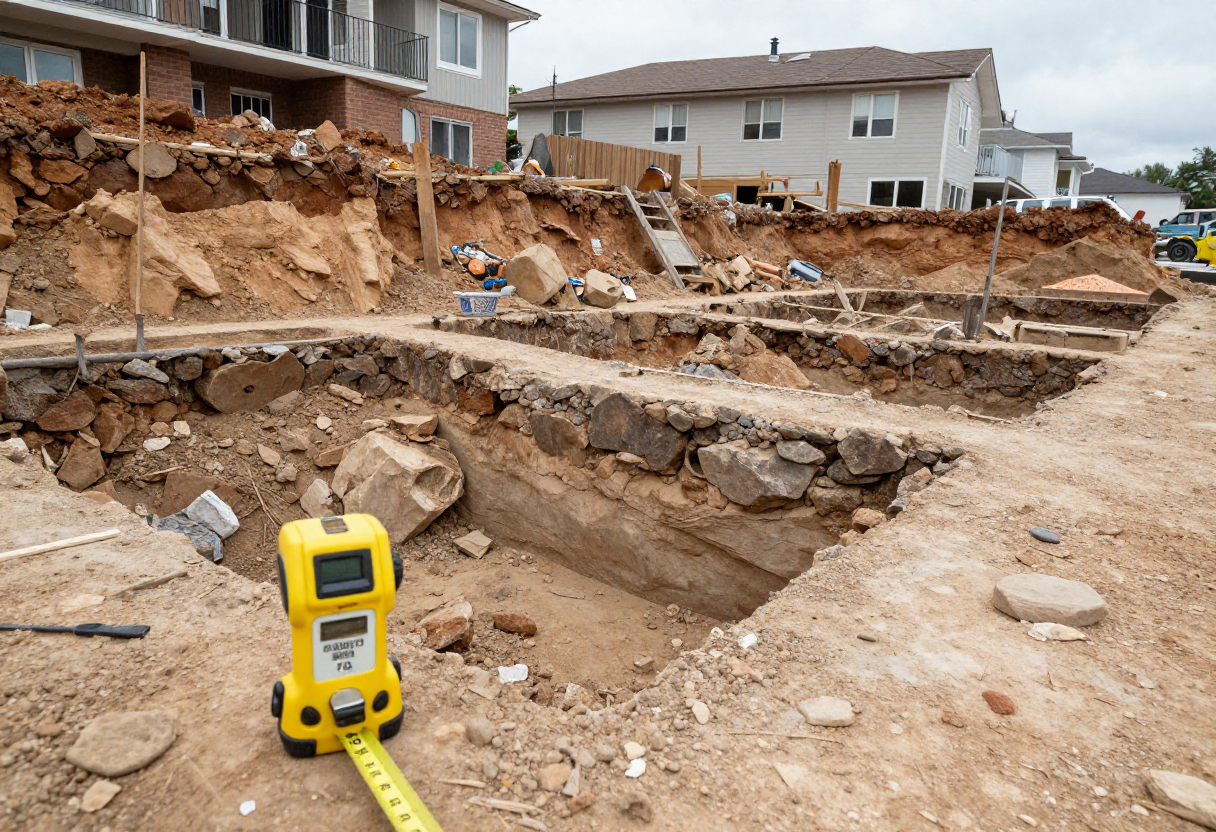
Getting your foundation excavation right from the start — that’s what separates a solid Newcastle home from one that’ll give you headaches down the track. We’ve been excavating building sites across Newcastle for years now, and we’ve seen what happens when foundation trenches aren’t dug to proper specs. Cracks in walls, uneven floors, and expensive structural repairs that could’ve been avoided with precision excavation from day one.
Foundation excavation in Newcastle isn’t just about digging holes. It’s about understanding our local soil conditions — whether you’re dealing with reactive clay in Adamstown, sandstone ledges in Merewether, or high water tables near Lake Macquarie. We excavate to exact engineering specifications, protect your services during excavation, and prepare your site properly for concrete foundation installation. Licensed operators, proper equipment, and experience with Newcastle Council requirements mean your structural engineer and building inspector won’t find any issues when they come around.

Foundation Excavation Types
We’ve got rock saws and breakers for when your excavation hits ledge. High water tables near Lake Macquarie locations mean dewatering during excavation — pumps running while we dig to keep your trenches dry for concrete pour. Sloping blocks throughout Newcastle require stepped footing excavation, with proper benching to prevent soil movement. Engineer-specified depths vary dramatically — we’ve excavated footings from 450mm on stable sand to 1500mm on reactive clay on the same street.

Excavation Precision
Foundation excavation demands accuracy that other earthworks don’t require. We excavate to exact engineer specifications — if your plans call for 750mm depth, that’s what you get, not 700mm or 800mm. Depth verification happens before any concrete gets poured, using laser levels and measuring from known benchmarks. Your structural engineer or surveyor checks our work before you commit to concrete.
Level bases for footings can’t have loose disturbed soil at the bottom. We excavate carefully, leaving undisturbed soil as your bearing surface. No thrown-in fill, no soft spots, no organic material that’ll compress over time. Proper width allows for formwork installation and working space for concrete placement — typically 200-300mm wider than finished footing width.
Service conduits get protected during excavation. We locate services before digging, mark their positions during excavation, and ensure electrical, water, sewer, and gas lines remain intact. Hand digging around known service locations prevents damage that stops your entire project. When we finish excavating, your foundation trenches are ready for council or engineer inspection — no callbacks, no surprises.

Foundation Excavation Process
We start with your structural engineer plans — reviewing footing depths, widths, pier locations, and special requirements. Site setup involves marking trench locations with spray paint or pegs, matching your building setout exactly. Dial Before You Dig service location happens before any excavation starts — we won’t risk hitting underground services.
Systematic excavation follows engineer specifications. We dig to depth gradually, checking measurements as we go rather than over-excavating and backfilling. Depth and level verification uses laser levels and traditional measuring — multiple checks before calling excavation complete. Your engineer or surveyor inspects trenches while they’re open, verifying bearing capacity and excavation accuracy.
Formwork installation readiness means clean trench bottoms, proper access for carpenters, and stable trench walls that won’t collapse during concrete pour. We coordinate timing with your concrete contractor so trenches don’t sit open longer than necessary — Newcastle weather can soften trench bottoms if rain hits before concrete arrives.


FAQs About Foundation Excavation in Newcastle
How long does foundation excavation take for a typical Newcastle house?
Most standard house foundation excavations take 1-3 days depending on your block size and soil conditions. If we hit sandstone rock around Hamilton or Merewether, that’ll add time for rock sawing or breaking. Weather’s the wildcard though — heavy Newcastle rain can shut us down if trenches start filling with water, especially on those clay sites around Kotara. We’ll give you realistic timeframes once we’ve seen your plans and site.
What happens if you find unsuitable soil when excavating my footings?
We stop excavation and get your structural engineer back to site immediately. Happens more often than you’d think in Newcastle — hitting fill material, soft clay layers, or rock where it wasn’t expected. Your engineer will redesign the footings, usually going deeper or switching to pier and beam instead of strip footings. Yeah, it costs more and delays your build, but it’s way cheaper than fixing a cracked house later.
Do I need council approval before foundation excavation starts?
Your builder handles most approvals, but we need your Construction Certificate in place before excavating. Newcastle Council wants to see your engineering plans approved before any foundation work starts. If you’re near trees or on a sloping block in Lake Macquarie, there might be additional erosion control requirements. We coordinate with your builder on timing — we’re not digging until all the paperwork’s sorted.
How much extra does rock excavation cost in Newcastle's rocky suburbs?
Rock excavation typically adds $80-150 per cubic meter depending on rock hardness and depth. Suburbs like Merewether, Bar Beach, and parts of Hamilton have sandstone ledges that need rock saws or hydraulic breakers. We can’t quote rock costs accurately until we start digging — sometimes you’ll hit rock at 400mm, other times you’ll dig 900mm through clay before hitting ledge. I always warn clients in rocky areas to budget an extra $2,000-5,000 for potential rock work.
Can you excavate foundations in winter or does Newcastle rain stop work?
We excavate year-round, but winter brings challenges with Newcastle’s wet weather. If heavy rain’s forecast, we’ll delay starting until conditions improve — don’t want trenches filling with water overnight. Once we’ve excavated, we push to get your concrete poured quickly before more rain arrives. Some clay sites around Charlestown and Glendale turn into mud pits after rain, making access difficult for trucks.
What site access do you need for foundation excavation equipment?
We need 3-meter-wide access minimum for our excavator to reach your building site. Tight Newcastle blocks with narrow driveways can be tricky — sometimes we’re using smaller machines that take longer but fit through tight spots. If there’s absolutely no access, we can hand dig footings, but that’s expensive and slow. Check your driveway width and any overhead powerlines before we arrive — low-hanging lines stop our machines getting through.
